Job hunting is stressful enough without having to dodge malicious actors trying to steal your identity or drain your bank account. Unfortunately, fake job scams are rapidly on the rise, preying on eager candidates with deceptive offers that seem just a little too good to be true. Knowing exactly how to identify these manipulative tactics is your first line of defense in protecting your career trajectory and your financial security.
How Fake Job Scams Operate
Scammers often impersonate legitimate companies or create entirely fictitious organizations to safely lure in unsuspecting job seekers. They frequently post on popular job boards, send unsolicited text messages, or reach out directly through professional networking sites like LinkedIn to cast the widest net possible. These initial contacts are meticulously designed to look like standard recruiter outreach.
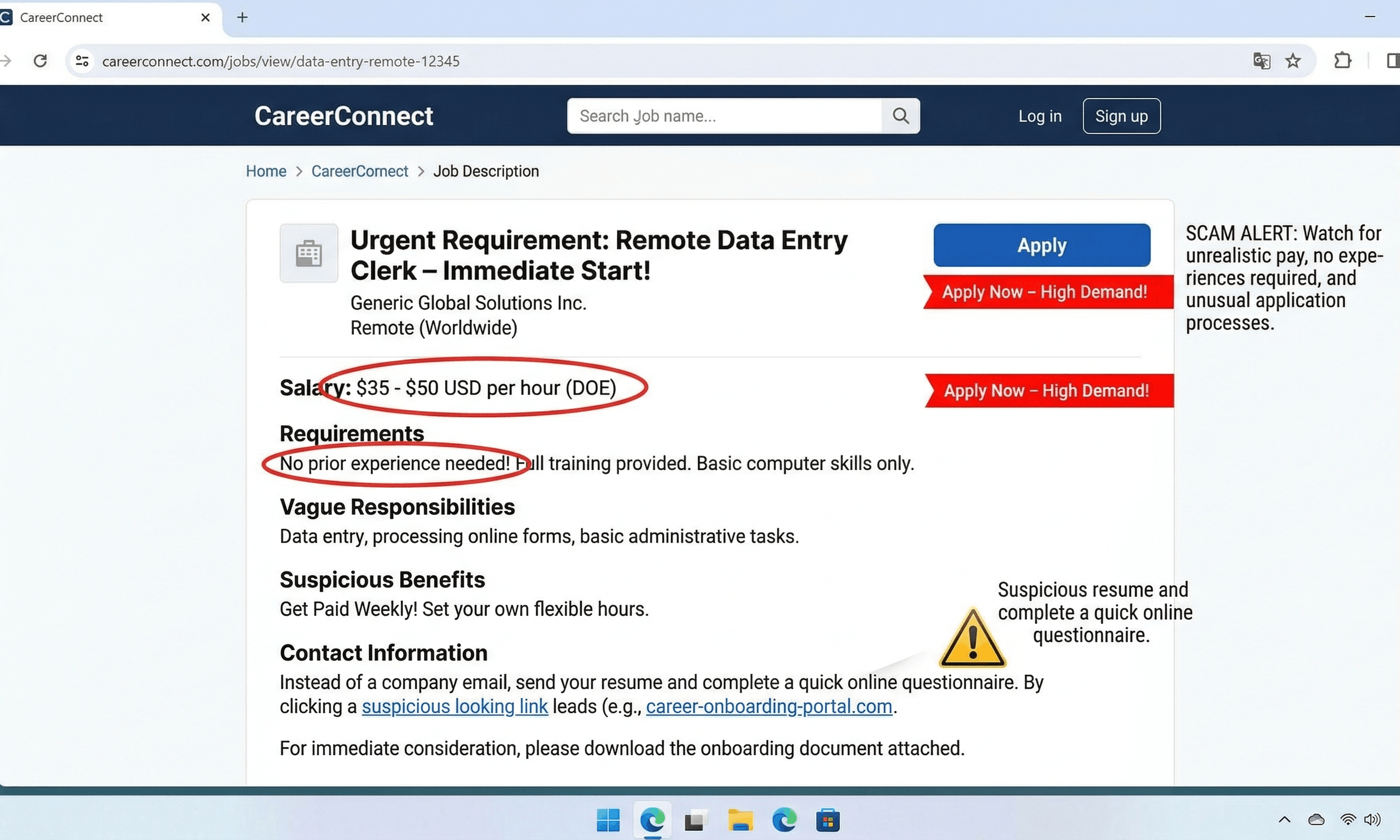
The primary goal of these fraudulent postings is rarely to actually employ anyone. Instead, cybercriminals are looking to quietly harvest highly sensitive personal data. They will often ask for your Social Security number, passport details, or banking information under the seemingly innocent guise of setting up your direct deposit for payroll or running a background check.
In many devastating cases, these schemes also involve direct, immediate financial theft. The scammer might mail you a fraudulent check to buy "home office supplies," instructing you to wire a portion of the funds to a supposed vendor. When the original check inevitably bounces a few days later, you are left entirely responsible for the money you sent to the criminal's account.
Spotting the Most Common Red Flags
One of the most glaring warning signs of a fraudulent job offer is an unusually high salary for a position that requires little to absolutely no prior experience. If you are suddenly offered a highly lucrative, remote data-entry role that seems completely out of proportion with the required effort, it is highly likely a psychological trick designed to cloud your rational judgment.
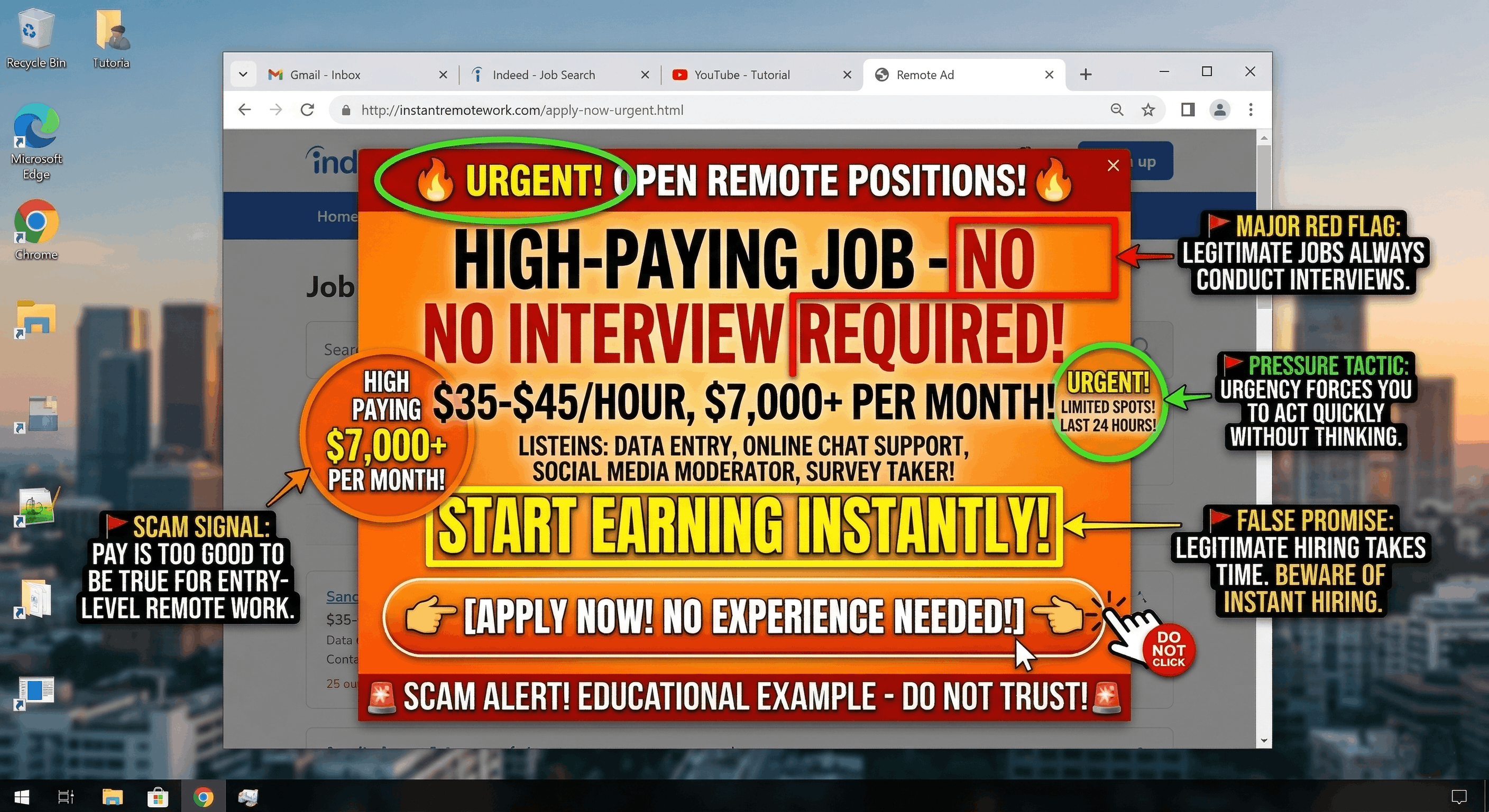
Another massive red flag is a hiring process that moves suspiciously fast. Legitimate organizations typically require comprehensive interviews, portfolio reviews, and thorough reference checks. If you are officially offered a job immediately after a brief, text-only chat on a messaging app like Telegram, WhatsApp, or Signal, you must proceed with extreme caution.
Furthermore, you should absolutely never have to pay your own personal money to secure a legitimate job. Scammers frequently and aggressively ask candidates to purchase specific "training software" or "home office equipment" from a designated, unverified vendor. They will confidently promise a quick reimbursement on your first paycheck, but that money will never actually materialize.
How to Verify the Company and Job Posting
Before responding to any unsolicited job offer or clicking on an application link, always take a quiet moment to thoroughly investigate the company's official online presence. Do not rely solely on the links provided in the initial email or direct message, as these can easily direct you to a highly convincing spoofed website designed to steal your login credentials.
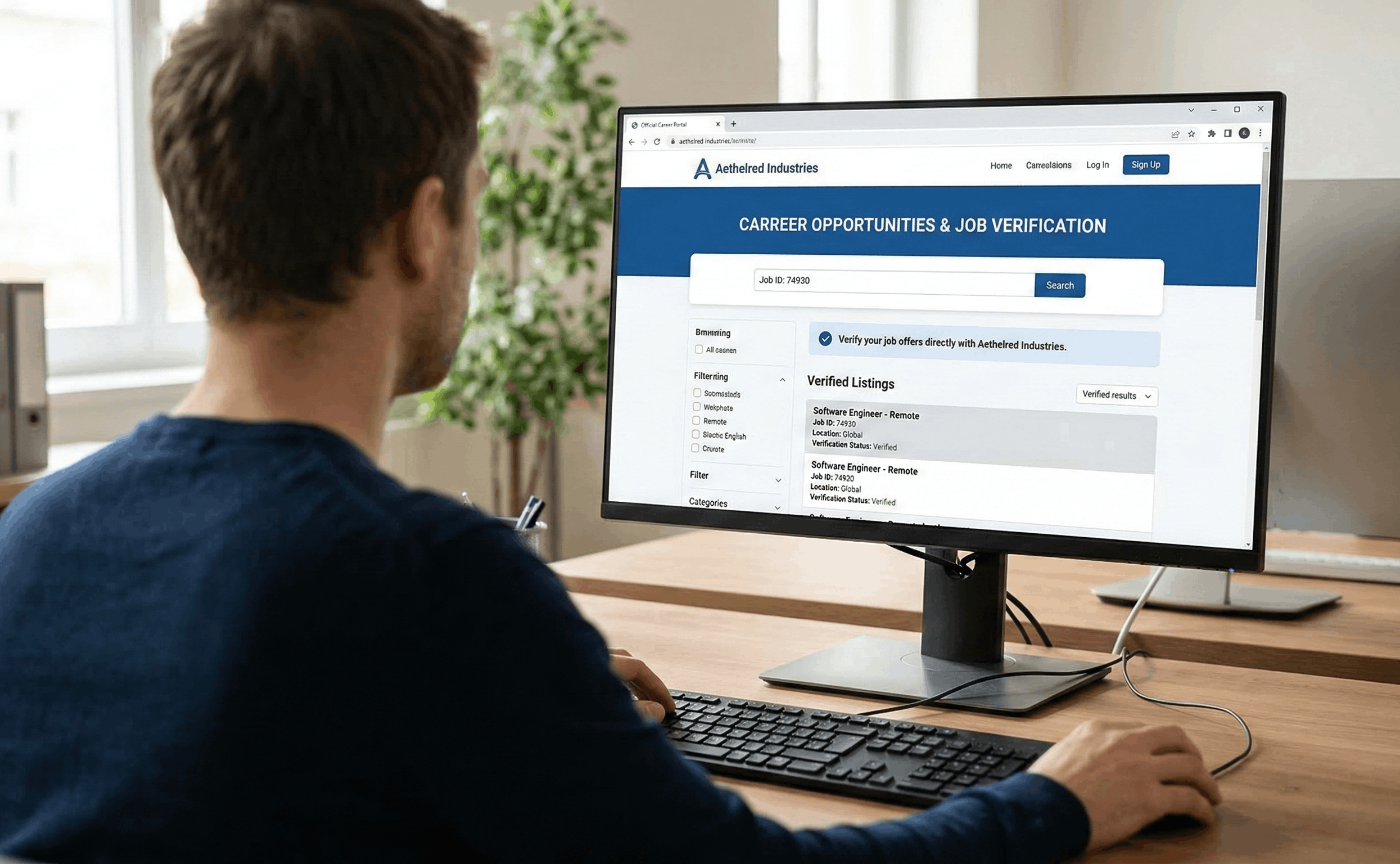
Open a brand new web browser window and independently search for the organization's main, verified website. Check their dedicated career page to see if the specific position is actually listed there. You can also proactively search the company's exact name alongside keywords like "scam," "fraud," or "reviews" to see if other candidates have reported malicious activity online.
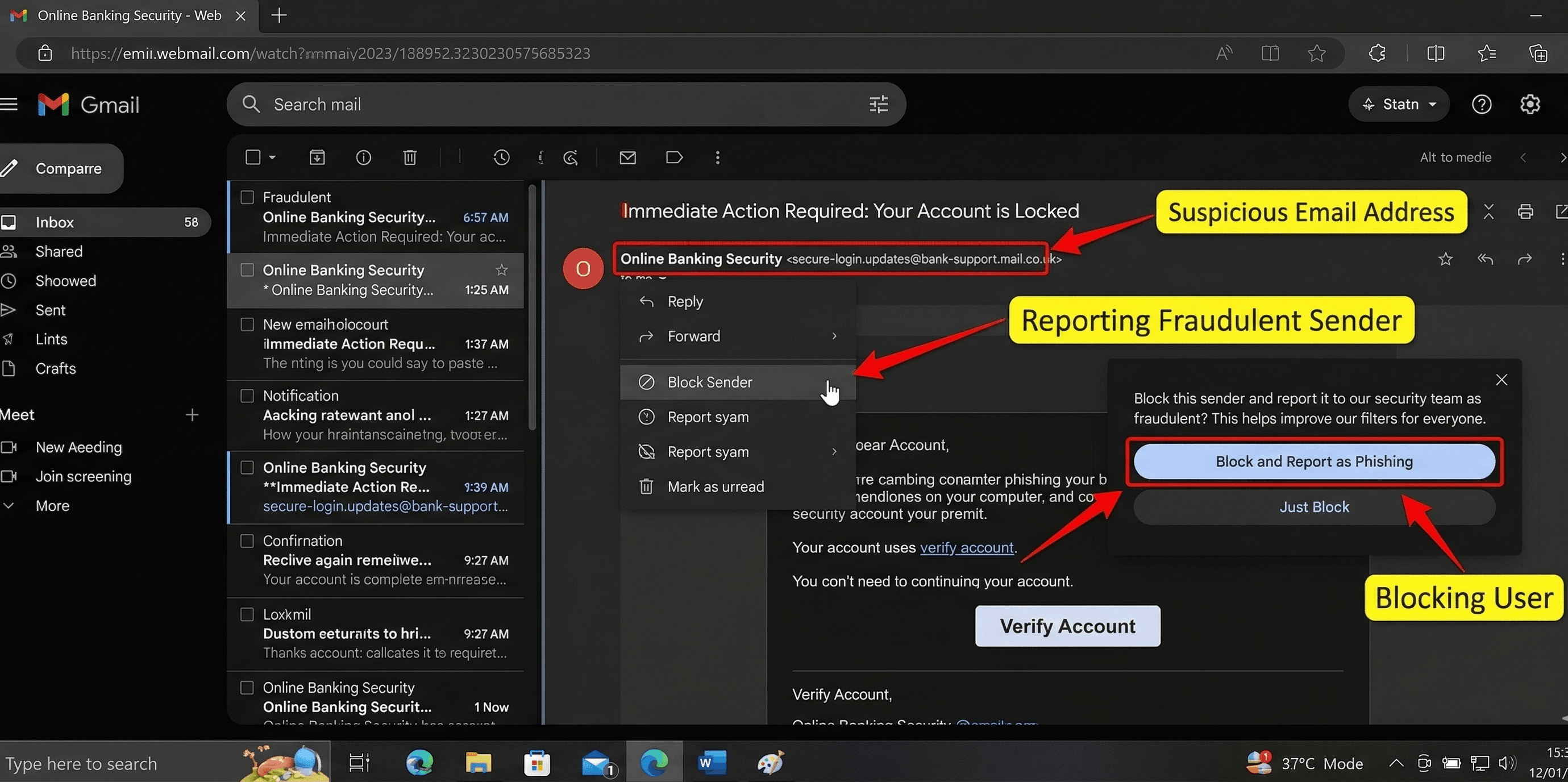
Pay extremely close attention to the sender's actual email address, not just their display name. A recruiter from a major, established corporation will almost certainly use a corporate email domain, not a generic public service account like Gmail, Yahoo, or Outlook. Slight, hard-to-notice misspellings in the domain name are a classic phishing tactic used to heavily deceive anxious applicants.
What to Do If You’ve Been Targeted
If you suddenly realize you are communicating with a scammer, immediately cease all contact and do not provide any further personal, professional, or financial information. Block their email address and phone number right away, and be sure to report their deceptive profile to the specific platform or job board where they initially contacted you.
If you have already shared sensitive data, such as your personal bank account details or government identification numbers, contact your financial institution immediately to freeze and secure your accounts. You should also seriously consider placing a free fraud alert on your national credit report to help prevent severe, long-term identity theft.
Finally, report the incident to the appropriate consumer protection authorities. Sharing your specific experience, including the emails and links the scammers used, actively helps authorities track down these global criminal networks and ultimately prevents other vulnerable job seekers from falling victim to the exact same trap.
Using Dedicated Scam-Detection Tools
By the time a fake recruiter sends an “application” link, they’ve already optimized the message to feel normal: a polished logo, a plausible job title, and just enough urgency that you click before you verify. Manual checks still matter—but when the risk is a spoofed careers portal, a credential-stealing form, or a download dressed up as onboarding paperwork, it helps to have a dedicated step that evaluates what you were sent before your browser ever touches it.
That’s the role Novsy AI is built for: paste the URL they want you to open, or upload a screenshot of the posting, chat, or email so Novsy can read what’s on screen. Novsy analyzes those inputs for scam-style pressure and deception patterns so you can pause at the exact moment fake jobs try to rush you into sharing IDs, bank details, or installing something you don’t understand.
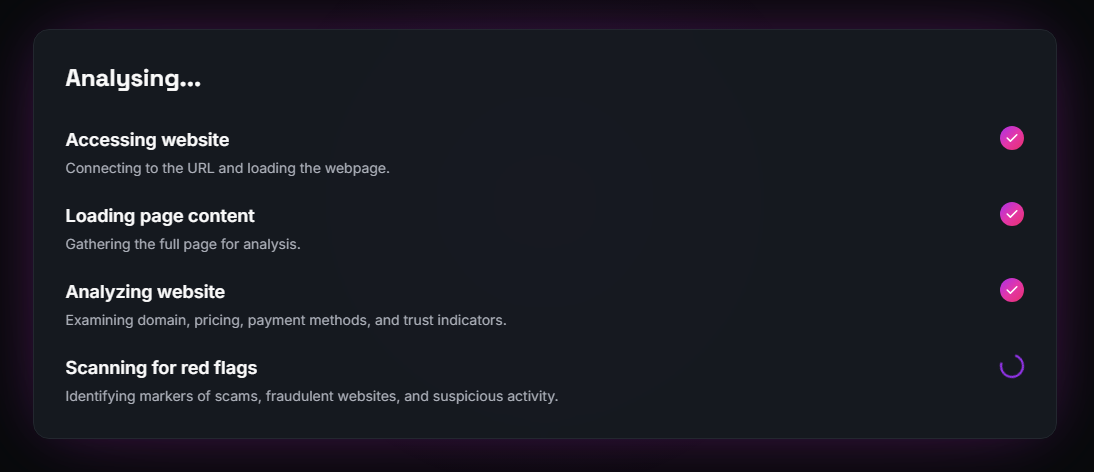
Unlike guessing from a quick look at the page, Novsy is focused on fraud context—the job-scam playbook where interviews move to messaging apps, “employers” ask for sensitive data too early, and links don’t line up with the company’s real hiring channels. It’s not a replacement for checking the official careers site; it’s a practical filter for the specific moment you’re deciding whether a link is safe enough to engage with.
The point isn’t to outsource your judgment; it’s to make “verify before you apply” faster and more consistent when you’re tired, excited, or under pressure. If an offer pushes speed, platform-switching, upfront payments, or unusual data requests, run what they sent through Novsy first—then still confirm the role independently (official website, known recruiter channels, and your own typed-in URLs). Pairing AI-assisted screening with those checks is how you avoid fake jobs that look legitimate until after you’ve already taken the bait—and keep your identity and money out of reach.
Start Scanning →